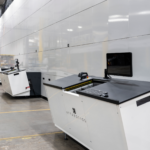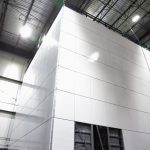

Chilled storage holds products above freezing but below room temperature, such as dairy, fresh produce, deli items, and many beverages. Automating chilled storage takes equipment rated for cold, humid air. Attabotics' Cubic Storage Structure is rated for both ambient and chilled environments, from 2°C to 40°C, with non-condensing humidity between 15% and 90%. That covers most chilled grocery and food distribution. Frozen goods sit below that range.
This guide covers what chilled storage automation has to handle, which grocery inventory fits, and what to check before you commit.
In this article
- What is chilled storage?
- Why chilled storage is hard to run by hand
- Which automated storage systems work for chilled or dry grocery distribution?
- How chilled storage automation cuts space and labor
- What to check before automating chilled storage
- Chilled storage in practice: Gordon Food Service
- How to scope a chilled storage project
- Where chilled storage automation fits
- Chilled storage FAQ
- Talk to us about your chilled zone
What is chilled storage?
Chilled storage keeps products cold without freezing them. In grocery and food distribution, it usually sits beside an ambient (dry) zone and a separate frozen zone. Each zone has its own temperature, its own staff rules, and often its own building section.
The difference from frozen matters for automation. Frozen storage runs below 0°C, where ice, frost, and very cold air affect equipment and people. Chilled storage runs above freezing. As a result, more of the equipment that works in a dry warehouse can work in a chilled one, as long as it is rated for the temperature and humidity.
Why chilled storage is hard to run by hand
Chilled rooms make every manual step more expensive.
First, the space costs more. Every cubic meter of a chilled room has to be insulated and cooled around the clock. Wide aisles for pickers and carts mean paying to cool empty air.
Second, the work is harder. Pickers walk the same cold aisles all shift, and every minute of walking is a minute in the cold. Long shifts in a cold room also wear people down faster than dry-side work.
Third, timing is tight. Chilled products have short shelf lives, so orders need to leave fast and in the right sequence. Late picks and mispicks cost product as well as labor.
Because of all three, automating chilled storage pays twice. It cuts the space you cool, and it cuts the hours people spend picking in the cold.
Which automated storage systems work for chilled or dry grocery distribution?
Start with the rating. Any system you consider should publish its operating temperature and humidity range. Then check it against your coldest zone, not your average.
The Attabotics system publishes these numbers:
- Temperature: 2°C to 40°C, covering ambient and chilled environments.
- Humidity: 15% to 90%, non-condensing.
- Grocery fit: Attabotics reports it can automate about 75% of a typical grocery store's SKUs, which equals about 60% of total sales.
In practice, that means one platform can run dry grocery and chilled product. Frozen inventory stays in a conventional freezer zone, since it falls below the 2°C floor.
How chilled storage automation cuts space and labor
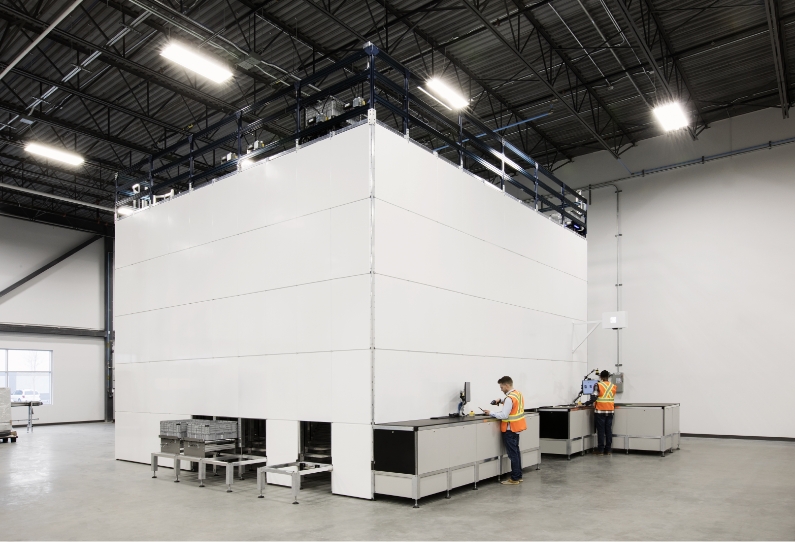
Cube storage packs bins tightly inside a structure and uses robots to move them. In a chilled room, that density is worth more than in a dry warehouse, because you pay to cool every cubic meter.
Attabotics reports up to 85% less space than traditional racking. The structure builds up to 12 meters (39 ft 5 in) and works around walls and building columns. It also installs without floor remediation. In other words, you can fit more chilled storage into an existing cold room or shrink the room you need to cool.
On the labor side, the system brings each bin to an operator at a workstation. MHI notes that goods-to-person systems remove the walking between picks. Attabotics reports up to 75% less labor than traditional operations. Any bin reaches an operator in under 90 seconds, so chilled orders can be sequenced and released quickly. For more on how this picking model works, read our guide to goods-to-person picking.
What to check before automating chilled storage
Chilled conditions put specific demands on equipment. Ask every vendor these questions.
Temperature and humidity ratings
Get the published operating range in writing. Check the low end against your coldest chilled zone, and check humidity against your worst day. Condensation is the main risk in chilled rooms, so a "non-condensing" rating means you need to know your dew point and how often doors open.
Bin material
Bins in a chilled room face cold, moisture, and sometimes washdown. Attabotics' Guardian bin is made of galvanized steel instead of plastic. Ask any vendor how its bins handle repeated cold and moisture over years of use.
Robot power
Battery-powered robots need charging or swapping. Attabotics' Attabot robots charge on supercapacitors inside the structure while they work, so there are no battery swaps.
Maintenance access
Ask where technicians work when a robot needs service. In the Attabotics system, all maintenance happens at ground level through robot maintenance bays. There is no maintenance platform on top of the structure, so technicians do not climb into the coldest air near the ceiling.
Fit with the building and the rest of the operation
Check whether the system needs a new floor, a perfectly square room, or a new building. Also ask how it connects to your WMS or ERP. Then confirm you can add robots and workstations later without stopping operations, since grocery volume swings with holidays and promotions.
Chilled storage in practice: Gordon Food Service
Gordon Food Service, the Western Canada division of North America's largest family-operated broadline food distributor, has run the Attabotics system in Calgary since 2018. Attabotics integrated the system into the company's existing manual picking operation rather than replacing it. The case study reports twice the presentation efficiency. Gordon Food Service also says the system helped it run with its existing staff and space, including through summer demand peaks.
For more on how the system scales with grocery SKU growth and seasonal demand, read our article on scalable ASRS for grocery and consumer goods distribution.
How to scope a chilled storage project
Before you talk to vendors, pull four sets of numbers from your own operation:
- SKU split by zone. Count how many SKUs are ambient, chilled, and frozen, and what share of sales each zone carries.
- Temperature and humidity logs. Use your coldest and most humid weeks, since those set the rating you need.
- Order profile. Track lines per order, units per line, and how many orders mix dry and chilled items.
- Cold room size and layout. Measure clear height, column spacing, and door locations.
With those figures, a vendor can show how much chilled space you would free and how many pick hours you would move out of the cold.
Where chilled storage automation fits
Because the structure fits the building, chilled storage automation works in several formats:
- Retrofit distribution center. Add dense chilled storage inside an existing cold room.
- New build. Design a smaller cold room around the structure from day one.
- Dark store. Fulfill online grocery orders from a location with no shoppers.
- Micro-fulfillment. Place a compact automated site close to customers for faster delivery.
- Store-within-a-store. Fit automated picking into existing retail square footage.
Chilled storage FAQ
Chilled storage keeps products cold but above freezing. Grocery examples include dairy, fresh produce, deli items, and many beverages. It usually runs beside an ambient zone and a separate frozen zone. Automated systems for chilled storage need ratings for both low temperature and high humidity.
Frozen storage runs below 0°C, while chilled storage stays above freezing. That difference matters for automation, because equipment rated for chilled rooms may not be rated for frozen ones. The Attabotics system is rated from 2°C to 40°C, so it covers chilled and ambient inventory but not frozen.
The Attabotics Cubic Storage Structure is rated for ambient and chilled environments from 2°C to 40°C, with 15% to 90% non-condensing humidity. Attabotics reports it can automate about 75% of a typical grocery store's SKUs, which equals about 60% of sales.
Usually not. The Attabotics structure works around walls and columns, builds up to 12 meters, and installs without floor remediation. That means it can go into an existing cold room or a smaller new one, depending on your plans.
Talk to us about your chilled zone
Every chilled operation has its own temperatures, SKU mix, and building limits. Contact our team to talk through yours, or see how the technology works.